Your Ultimate Guide to Smart Investing
Thinking about your retirement savings? Ever wondered if there’s a more exciting way to invest for the future than traditional IRAs? A Precious Metals IRA could be the answer you’re looking for. Unlike regular IRAs, this special type of account lets you invest in physical assets like gold, silver, platinum, and palladium.
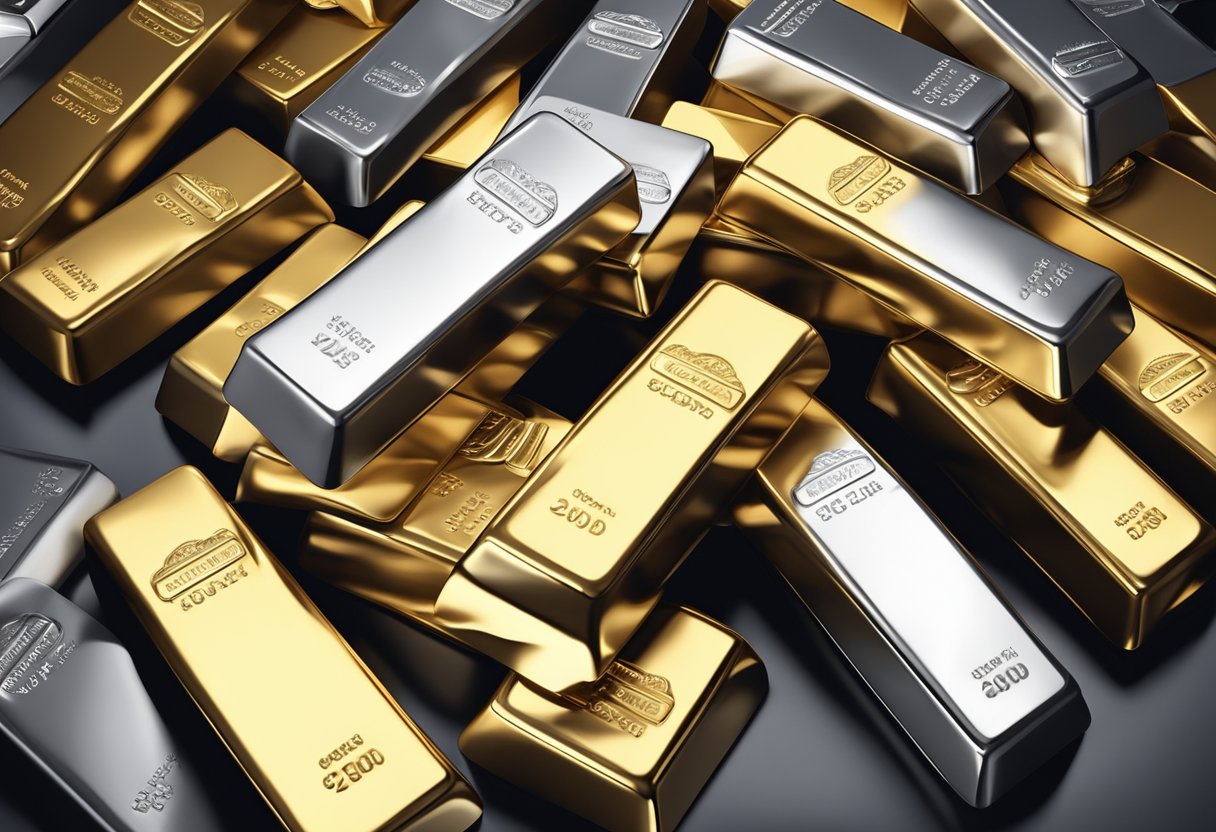
Why consider a Precious Metals IRA? Well, for starters, these metals tend to hold their value better during economic downturns. It’s a way of protecting your nest egg from market volatility. Imagine your retirement savings not just growing but also being shielded against inflation and stock market dips.
So, how does it work? Pretty simple! You open a self-directed IRA and fund it with cash or roll over assets from an existing retirement account. Then, you can buy the physical metals through a dealer and have them stored securely with a custodian. Intrigued already? Stick around and find out more about the ins and outs of setting up and managing your very own Precious Metals IRA!
Understanding IRAs
An Individual Retirement Account (IRA) is a crucial tool for saving for retirement. They provide tax advantages which can help your savings grow. There are various types of IRAs, each with unique features. Let’s explore the definitions, types, and where precious metals IRAs fit in.
Definition of an IRA
An IRA, or Individual Retirement Account, is designed to help you save for retirement with tax benefits. This means you can save for the future while enjoying certain tax advantages today. Contributions you make to an IRA can often be deducted from your taxable income.
Key Highlights:
- Tax-Deferred Growth: Your investments grow tax-deferred until you withdraw them.
- Annual Contribution Limits: The IRS sets annual limits on how much you can contribute.
- Withdrawals: Typically, you can start making withdrawals without penalties at age 59½.
Types of IRAs
IRAs come in different flavors, and each type offers distinct benefits.
- Traditional IRA:
- Contributions are often tax-deductible.
- Taxes are paid on withdrawals, not on contributions or earnings while within the account.
- Required Minimum Distributions (RMDs) begin at age 73.
- Roth IRA:
- Contributions are made with after-tax dollars, so no tax deduction upfront.
- Withdrawals are typically tax-free if certain conditions are met.
- No RMDs, allowing your money to grow longer.
- SEP IRA:
- Mainly used by self-employed and small business owners.
- Higher contribution limits than traditional or Roth IRAs.
- Contributions are tax-deductible for employers.
Precious Metals IRAs in the IRA Landscape
Precious metals IRAs are a unique subset of self-directed IRAs. They allow you to invest in physical metals rather than stocks or bonds. This includes gold, silver, platinum, and palladium.
Why Consider a Precious Metals IRA?
- Diversification: Precious metals can provide a hedge against market volatility.
- Inflation Protection: Metals like gold are often seen as a hedge against inflation.
- Tangible Assets: Investing in physical metals means owning tangible assets.
IRS Standards:
- Specific Standards: The IRS has stringent standards for the types of metals that qualify.
- Secure Storage: Metals must be stored in an IRS-approved depository.
While precious metals IRAs offer great benefits, it’s essential to understand their rules and conditions. Investing in these accounts can help diversify and strengthen your retirement portfolio, giving you peace of mind.
What Is a Precious Metals IRA?
A Precious Metals IRA is a type of self-directed individual retirement account that allows you to invest in physical precious metals like gold, silver, platinum, and palladium. These accounts offer an alternative to traditional IRAs, focusing on tangible assets instead of stocks or bonds.
Definition and Purpose
A Precious Metals IRA is specially designed to hold physical precious metals for retirement purposes. Think of it as a secure vault that contains your chosen metals, safeguarded until you need them. This type of IRA is beneficial for those looking to diversify their retirement portfolio with assets that typically hold value over time, even when the stock market fluctuates.
Do you want more options than just stocks and bonds in your retirement account? This IRA lets you invest in actual gold coins or silver bullion. Pretty cool, right?
Precious Metals IRA vs. Traditional IRA
Traditional IRA: Focuses on conventional investments like stocks, bonds, and mutual funds. These assets are generally easier to manage but can be more vulnerable to market volatility.
Precious Metals IRA: Shifts the focus to physical assets, providing a hedge against inflation and market instability. It’s like having a treasure chest that may serve as a safety net during economic downturns.
Differences:
- Investment Options: Traditional IRAs are limited, while Precious Metals IRAs include metals like gold, silver, platinum, and palladium.
- Storage and Fees: Precious Metals IRAs require secure storage and possibly higher fees due to the need for physical safeguarding.
Eligible Precious Metals for Investment
Not all metals qualify for inclusion in a Precious Metals IRA. The IRS sets stringent criteria to ensure the metals meet purity standards.
- Gold: Must be .995% pure, like certain gold bars or American Gold Eagle coins.
- Silver: Needs to be .999% pure, such as the American Silver Eagle coin.
- Platinum and Palladium: Must also meet .9995% purity, like specific bars and coins.
These metals are typically held by an approved custodian to ensure they meet the required standards and are securely stored. Make sure to check with your IRA provider to confirm which metals and forms are eligible!
Benefits of a Precious Metals IRA
Investing in a Precious Metals IRA can offer several advantages that can enhance your retirement savings. Some key benefits include diversification of your investment portfolio, protection against inflation and economic issues, and potential growth and stability.
Investment Portfolio Diversification
A Precious Metals IRA allows you to diversify your investment portfolio.
By owning physical gold, silver, platinum, or palladium, you add a different asset class to your retirement savings. This is important because precious metals often move differently than stocks and bonds. For instance, if the stock market dips, precious metals might hold their value or even increase.
This balancing act can help protect your overall portfolio from big losses. Diversification is like not putting all your eggs in one basket, giving you peace of mind.
Inflation & Economic Protection
Precious metals are known to be a hedge against inflation and economic instability.
When inflation rates rise, the value of paper currency usually decreases. Gold and silver often maintain their value during such times. For example, in times of high inflation, the price of gold tends to go up, helping to protect your purchasing power.
Additionally, economic downturns can negatively impact most financial assets. Precious metals can offer a stable and reliable store of value during these periods, keeping your retirement savings more secure.
Potential for Growth and Stability
Precious metals have the potential for growth and stability over the long term.
While they can be more volatile in the short term, history shows that precious metals generally appreciate over time. For example, gold has seen significant price increases over the last few decades. Investing in a Precious Metals IRA means you can benefit from this growth potential.
Moreover, stability in value is another plus. While stocks can swing widely, precious metals tend to have steadier growth. This means fewer surprises and a more predictable asset in your retirement portfolio.
How a Precious Metals IRA Works
A Precious Metals IRA allows you to invest in physical gold, silver, platinum, and palladium while enjoying the same benefits as traditional or Roth IRAs. To get started, you need to set up the account, choose a custodian, fund it, and then purchase and store your metals.
Setting Up the IRA
First, you need to set up your Precious Metals IRA. To do this, you’ll open a self-directed IRA, which allows for a broader range of investments compared to standard IRAs. The self-directed IRA gives you the flexibility to include precious metals in your portfolio, which standard IRAs typically do not permit.
You’ll need to fill out some paperwork to get the account opened. This might include providing personal information, and employment details, and identifying your beneficiaries. Seeing a financial advisor can be helpful if you have any questions about your investment strategy or the process.
Choosing a Custodian
Next, you’ll need a custodian to manage your IRA. The custodian is responsible for holding and securing your investment and ensuring it complies with IRS regulations. Not every financial institution offers self-directed IRAs or the option to invest in precious metals, so you’ll need to choose one that specializes in these services.
Funding the Account
Once you have your custodian, you need to fund your new IRA. You can transfer funds from an existing IRA or a 401(k). You can also make cash contributions, but remember, annual contribution limits apply. For 2024, the limit is $6,500 if you’re under 50, and $7,500 if you’re 50 or older.
Funding can be done through bank transfers, checks, or by rolling over other retirement accounts. Make sure you understand the tax implications of each funding method to avoid any surprises during tax season.
Purchasing & Storing Metals
With your account funded, you can start purchasing metals. The IRS has strict rules about the types of metals you can buy. Gold must be 99.5% pure, silver 99.9% pure, and both platinum and palladium must be 99.95% pure.
You can choose coins or bars that meet these purity standards. The list includes American Gold Eagle coins, Canadian Maple Leaf coins, and several others. Work with your custodian to make the purchases and ensure everything complies with IRS guidelines.
Storage Requirements and Options
Storing your metals correctly is crucial. The IRS doesn’t allow you to keep the metals at home. Instead, they must be stored in an approved depository. These depositories are secure facilities that specialize in storing precious metals. They provide insurance and protection against theft or loss.
Some custodians have partnerships with specific depositories, so you might not have a choice, while others let you choose. Make sure to understand the storage fees, which can vary depending on the depository and the amount of metals you have.
By setting up the IRA correctly, funding it, and purchasing eligible metals, you can enjoy the security and potential growth that precious metals offer within a retirement account.
Risks and Considerations
Before investing in a Precious Metals IRA, it’s essential to be aware of potential risks and key considerations. Let’s take a closer look at market volatility, fees, storage costs, and how to avoid scams.
Market Volatility and Pricing
Gold, silver, platinum, and palladium prices can fluctuate dramatically. Just like stocks or bonds, precious metals experience swings based on supply, demand, and geopolitical events.
With these investments, timing plays a significant role. If you plan on holding your assets for many years, brief downturns may not worry you. However, if you’re close to retirement, a market dip could hurt your savings. Knowing the market trends and staying informed can help in making better decisions.
Fees: Regulatory and Custodial
Having a Precious Metals IRA involves several fees. First, there’s the setup fee for opening your IRA, which can range from $50 to $200. Every year, you’ll also face administrative or custodial fees, usually between $75 and $250.
These fees add up over time, eating into your returns. It’s crucial to compare costs among different IRA custodians. Some custodians offer sliding scales based on the account balance, while others have flat fees. Choose what best fits your long-term investment strategy.
Costs of Storage and Insurance
Storing precious metals securely is another crucial factor. You can’t just keep them at home; they need to be stored in IRS-approved depositories. These storage fees typically range from $100 to $300 per year.
You’ll also need insurance to protect against theft or loss. Some depositories include insurance in their fees, but others charge separately. Make sure to check these costs and factor them into your overall investment expenses.
Avoiding Scams and Fraud
Unfortunately, the world of precious metals is ripe for scams. Always pick a reputable dealer when buying gold, silver, platinum, or palladium. Look for dealers accredited by the Better Business Bureau (BBB) or industry organizations like the Industry Council for Tangible Assets (ICTA).
Be wary of too-good-to-be-true offers, high-pressure sales tactics, or unsolicited pitches. It’s wise to verify credentials and read reviews before making any purchases. Protecting yourself from fraud is essential for safeguarding your investments.
Frequently Asked Questions
When it comes to Precious Metals IRAs, many people have questions about how they work, the benefits, and the rules involved. Below are some of the most common questions and answers.
How does a Gold IRA compare to holding physical gold?
A Gold IRA allows you to invest in gold through a retirement account. This can include gold coins and bars that meet IRS standards. Unlike holding physical gold, a Gold IRA gives you potential tax benefits and the ability to hold other types of investments in the same account.
Can you walk me through the process of a precious metals IRA rollover?
Rolling over to a Precious Metals IRA involves a few steps. First, you’ll need to open a self-directed IRA with a custodian that offers precious metals options. Next, you’ll initiate a transfer of funds from your current retirement account to the new IRA. Finally, you can select and purchase the metals for your account.
What are some pros and cons of investing in a Gold IRA?
Pros:
- Hedge against inflation: Gold can protect your savings from inflation.
- Diversification: Adds a tangible asset to your portfolio.
Cons:
- Storage and insurance fees: These can add up over time.
- Market volatility: Gold prices can be unpredictable.
Could you explain the fee structure for a Precious Metals IRA?
The fee structure generally includes setup fees, annual administrative fees, storage fees, and possible transaction fees. For instance, setup fees can range from $50 to $100, and annual fees can be around $75 to $200. Storage fees depend on the amount and kind of metal but are usually a percentage of the total investment.
What are the specific IRS rules regarding precious metals in an IRA?
The IRS has strict requirements for what kinds of metals can be included in an IRA. Gold must be at least 99.5% pure, silver 99.9%, and platinum and palladium 99.95%. Popular choices include American Gold Eagles, Canadian Maple Leafs, and Austrian Philharmonics. Also, you can start penalty-free withdrawals at age 59½.
How does a Precious Metals IRA fit into my retirement strategy?
Precious Metals IRAs can offer diversification and a hedge against economic uncertainty. They can be a good fit if you’re looking to protect your retirement savings from market fluctuations. By including gold, silver, platinum, or palladium, you diversify beyond traditional stocks and bonds.